Algorithmic Climate Control.
Shifting HVAC operations from reactive binary switches to predictive, multi-zonal systems that drastically reduce energy expenditure without compromising comfort.
The Limitations of Single-Point Thermostats
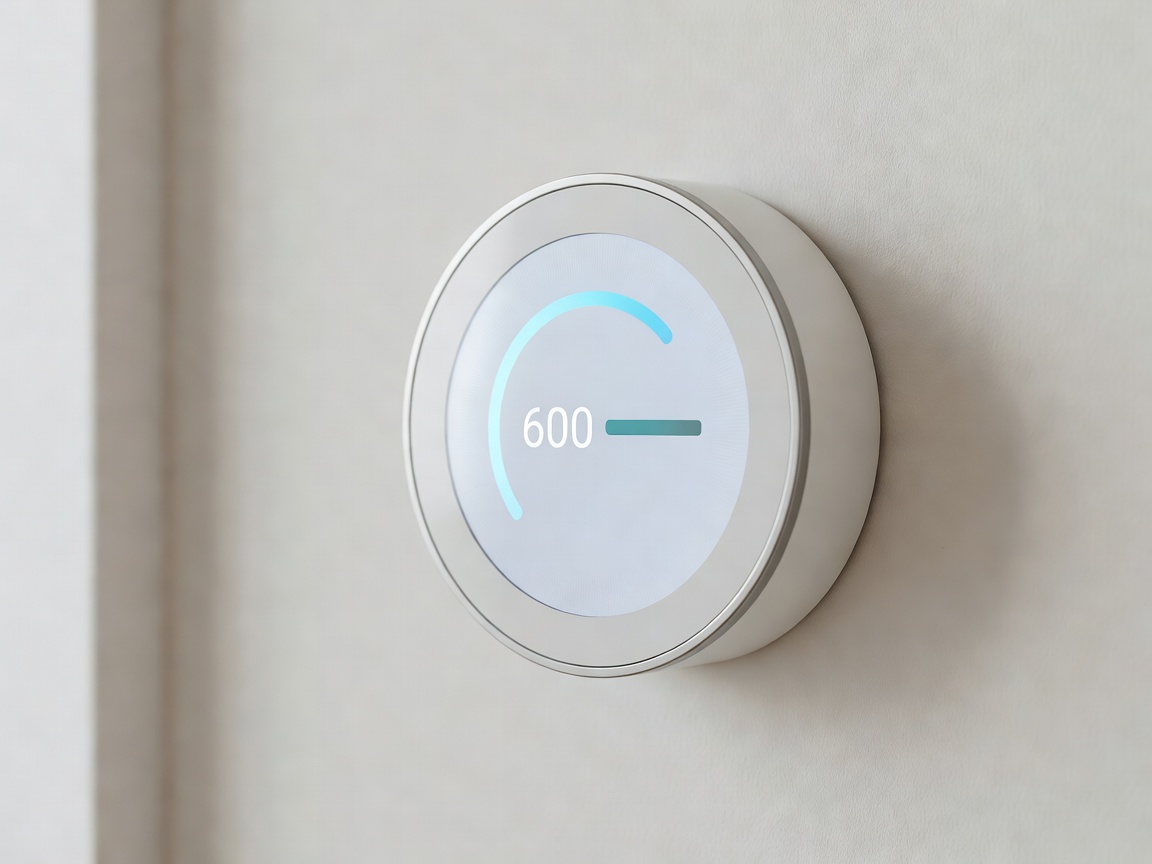
Traditional HVAC systems rely on a single thermostat, usually located in a central hallway. This creates an imbalance: the hallway reaches the target temperature, shutting off the system, while sun-facing rooms remain sweltering and shaded rooms freeze. Smart thermostats attempt to solve this via learning algorithms, but a single node of data collection is fundamentally flawed.
Implementing Multi-Zone Control
True climate automation requires spatial awareness. By deploying distributed temperature sensors throughout the structure, the central controller can average the climate data or prioritize specific occupied rooms.
Thermostatic Radiator Valves (TRVs)
For homes utilizing hydronic heating (radiators), smart TRVs represent a massive leap in efficiency. Instead of heating the entire water loop to warm one occupied room, smart TRVs act as individual zones. They communicate via Zigbee or Thread to a central boiler controller. When the bedroom calls for heat at night, the TRVs in the unoccupied living room close, directing hot water only where it is needed.
HVAC Damper Systems
For forced-air systems, motorized dampers installed in the ductwork perform a similar function. Combined with smart vents and remote room sensors, the system can dynamically restrict airflow to unoccupied zones and force conditioned air into priority spaces.
Predictive Algorithms and External Data
Advanced climate controllers do not merely react to current room temperatures; they predict requirements based on external variables:
- Weather API Integration: If the forecast predicts a rapid temperature drop in the afternoon, the system may delay heating during peak energy-cost hours, relying on thermal mass, and initiate a gradual heat cycle before the cold front hits.
- Geofencing and Occupancy: Shifting the system into an "Eco" setback mode when all residents leave the geofence, and calculating the exact time required to return the home to comfort parameters based on the distance of the returning resident.
- Window and Door Sensors: Interlocking the HVAC state with perimeter sensors. If a sliding door is left open for more than five minutes, the AC compressor disables to prevent wasted energy, accompanied by a push notification.
Energy Monitoring and ROI
While the initial outlay for smart thermostats, TRVs, and dampers is significant, the Return on Investment (ROI) is highly measurable. Granular logging of runtime, compressor cycles, and delta-T (the difference between inside and outside temperatures) allows homeowners to mathematically pinpoint insulation failures or equipment inefficiencies before they result in catastrophic failure.