Connected Major Appliances.
Evaluating the intersection of utility and gimmick in connected kitchen and utility room technology. When does a Wi-Fi-enabled washing machine actually provide value?
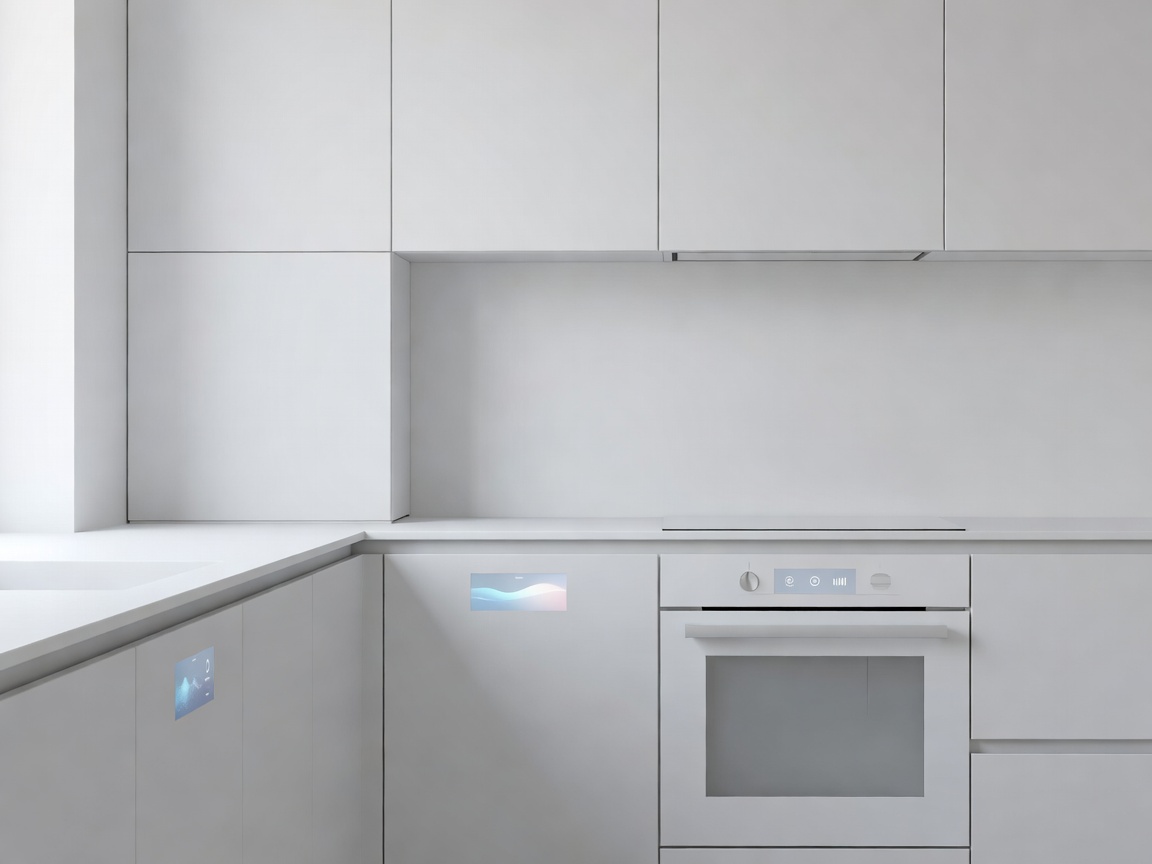
Defining Genuine Utility
The consumer electronics market is saturated with "smart" appliances whose connectivity serves primarily as a data-harvesting tool for manufacturers rather than a benefit to the user. A refrigerator with a tablet built into the door is often obsolete within three years, while the compressor operates for fifteen. True utility in connected appliances comes from three vectors: predictive maintenance, energy optimization, and workflow automation.
Predictive Maintenance
The highest value of connectivity in major white goods is telemetry. A modern smart washing machine or dishwasher can transmit vibration data, pump resistance, and thermal anomalies. When integrated into a robust home automation platform, these metrics can predict a failing belt, a clogged filter, or a failing heating element weeks before a catastrophic break, preventing water damage and expensive emergency repairs.
Energy Optimization and Load Shifting
As utility companies move toward time-of-use (TOU) pricing, smart appliances offer significant financial advantages. A connected dryer or dishwasher can be loaded and set, but instead of running immediately, it communicates with the local energy grid's API (or a central home energy management system) to begin its cycle exactly when rates drop to off-peak prices or when solar panels are generating surplus electricity.
The Dumb Appliance + Smart Relay Strategy
Given the rapid deprecation of manufacturer cloud services, many system architects prefer the "dumb appliance" approach. This involves purchasing high-quality, non-connected commercial or basic residential appliances and making them smart through external telemetry.
- Smart Plugs with Energy Monitoring: Placed between the wall and a dumb washing machine, the plug monitors amperage. When the amperage drops below 2W for five minutes, the home automation system infers the cycle is complete and triggers an audio announcement or notification.
- Leak Sensors: Placing Zigbee water leak sensors under standard dishwashers and refrigerators. If moisture is detected, the system immediately shuts off the main smart water valve for the house.
- Vibration Sensors: Attached to the side of a dumb dryer to determine when a cycle finishes based on the cessation of movement.
The Future: Matter Standard Adoption
Historically, white goods manufacturers have maintained closed ecosystems (e.g., forcing users into a specific proprietary app). The gradual adoption of the Matter protocol in the appliance space promises to commoditize appliance control. Future appliances equipped with Matter over Thread will report their states locally to any authorized home hub, eliminating the reliance on manufacturer clouds and ensuring the appliance remains functional in the smart ecosystem long after the manufacturer stops supporting the original app.