Lighting Automation & Protocols.
A foundational element of smart home infrastructure is lighting. However, selecting the right hardware and communication protocols determines whether a system feels like magic or a frustrating series of delays.
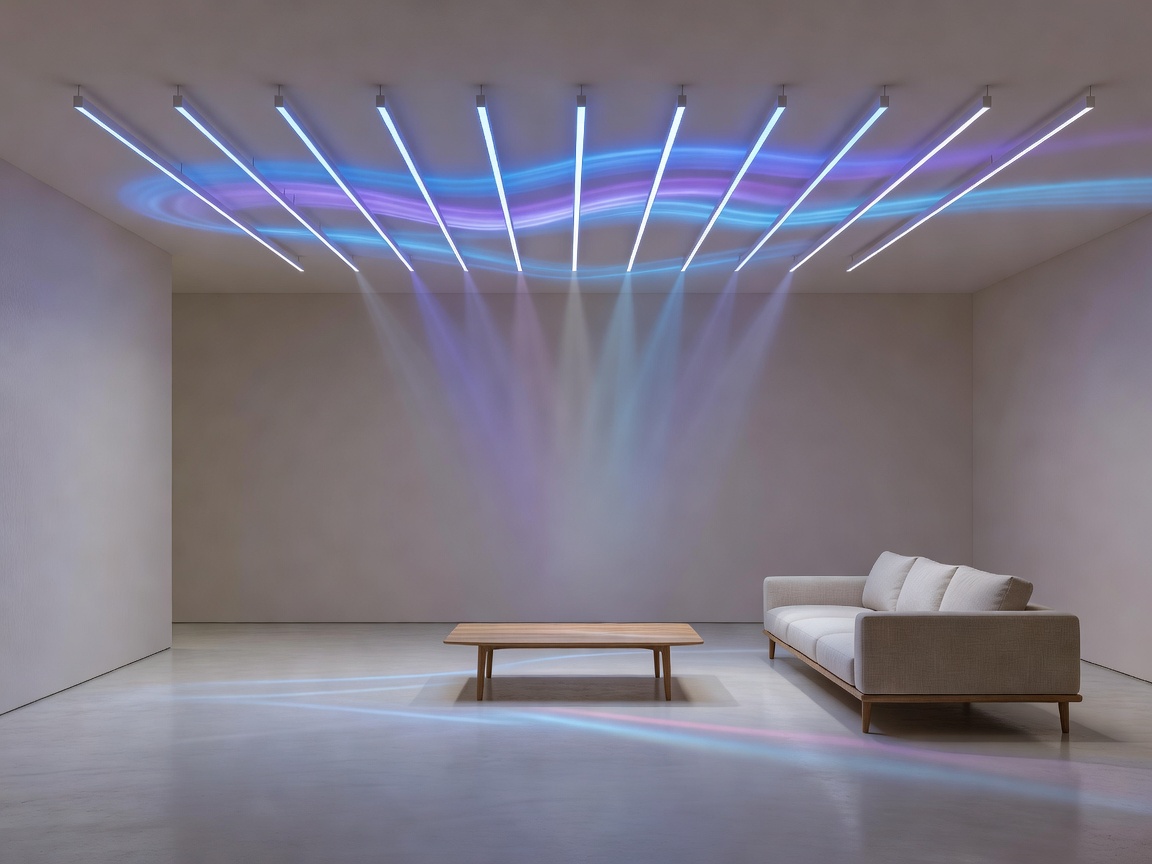
Smart Bulbs vs. Smart Switches
The most common architectural decision in lighting automation is choosing between smart bulbs and smart switches. Each has distinct advantages and inherent compromises.
Smart Switches: Ideal for multi-bulb fixtures (like recessed ceiling lights). They preserve the physical operability of the switch. If a guest flips the switch off, the network does not lose connection to the node. They are generally more cost-effective at scale but require neutral wires in many older homes, though "no-neutral" options are becoming more prevalent.
Smart Bulbs: Necessary when color temperature tuning (CCT) or RGB color selection is required. The primary drawback is that if the physical wall switch is turned off, the bulb loses power and drops off the network. Mitigating this requires blanking plates over traditional switches and installing wireless remotes or employing smart switches set to "smart bulb mode" (where the relay remains constantly powered but button presses send digital signals to the bulb).
Communication Protocols
The transport layer for your lighting commands dictates latency, reliability, and network congestion.
| Protocol | Topology | Latency | Ideal Use Case |
|---|---|---|---|
| Wi-Fi (2.4GHz) | Star (Router dependent) | Variable (Medium) | Small setups (1-5 devices), standalone apps |
| Zigbee | Mesh Network | Low | Large scale lighting networks, low power sensors |
| Thread | IPv6 Mesh (Self-healing) | Very Low | Future-proof installations, Matter integration |
The Shift Toward Thread and Matter
While Zigbee has been the industry standard for robust, low-latency mesh lighting, Thread offers a distinct advantage: it is an IPv6-based mesh. Devices on a Thread network can be individually addressed by the broader local network without relying on a proprietary translation hub (though a Border Router is required). Combined with the Matter standard, Thread allows cross-vendor interoperability that fundamentally alters the smart home landscape, reducing vendor lock-in.
Advanced Implementations
Circadian Lighting
Also known as adaptive lighting, this automation dynamically adjusts the color temperature and brightness of smart bulbs based on the sun's position. In the morning, lights shift to cooler, blue-heavy whites (e.g., 5000K-6500K) to suppress melatonin and promote alertness. As evening approaches, the lights automatically warm to amber tones (2700K or lower) to support natural sleep cycles. This requires fixtures capable of tunable white light and a hub capable of calculating local solar geometry.
Presence Mimicking
Security-focused lighting goes beyond simple timers. Advanced hubs record the normal daily lighting patterns of the household. When the system is armed in "Away" mode, it replays this historical data, turning lights on and off in various rooms at realistic intervals, effectively mimicking human presence far better than static schedules.
Motion and Presence Detection
Traditional passive infrared (PIR) motion sensors are excellent for triggering lights when someone walks into a room, but they fail when a person sits still (e.g., reading or working). The integration of mmWave presence sensors solves this. By detecting micro-movements such as breathing, mmWave sensors keep the lights on as long as the room is genuinely occupied, eliminating the need to wave arms to re-trigger a timed-out PIR sensor.